


Making the World a Better Place

Water accumulated in mine pits Since its inception, Gujarat Sidhee Cement Limited (GSCL) as been committed to the cause of water management. We immensely value the scarce natural resource and have been working to build more robust and effective water resource management approaches in and around our operation areas. Moreover, we are also promoting responsible water management for the benefit of the communities.
Sidheegram:
Leading the Way in Water Stewardship
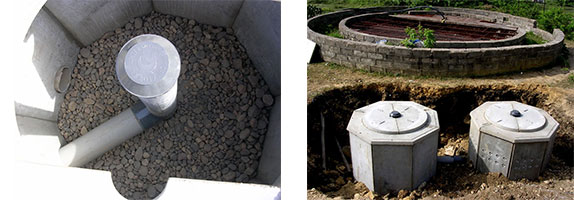
At GSCL, we have employed a combination of various water harvesting programmes and revolutionary techniques such as rainwater harvesting, through which large quantities of water was collected. Even used quarries were given a new life by converting them into manmade lakes and wetlands.
The GSCL plant strives to give back more water than it utilises. This is achieved through panning-based water projects that have at least one of the following objectives:
- To increase the availability of water through and recharge
- To revive and protect local traditional water bodies
- To stop salinity ingress into fresh groundwater in coastal areas
- To create awareness about judicious use of precious water resources
GSCL has been committed to conserve and use water resources in a responsible manner for long-term water sustainability. Monthly Water Management Reports (WMRs) are generated by all our plants to track water withdrawal, consumption, discharge and water harvesting practices.
Maintaining an Ecological Balance
GSCL firmly believes and is committed to maintain ecological balance and protect the surrounding environment. Since the very inception of the plant, protecting the environment was the cornerstone of our environmental policy of sustainable growth and development.
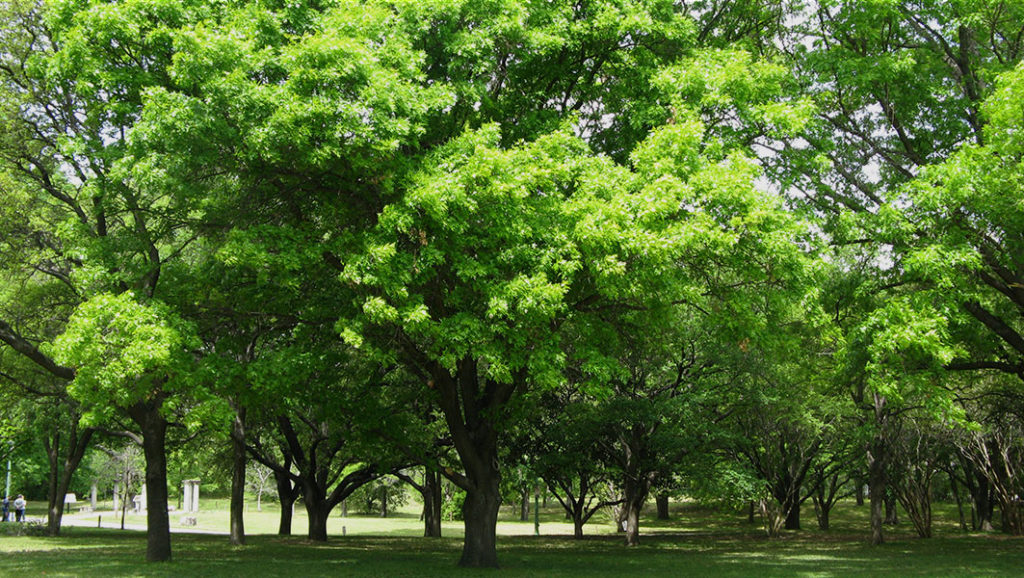
Trees are the heart of a healthy environment as they fulfill all our basic requirements, right from food and shelter to food and clean air. Trees play a key role in protecting the ozone layer by absorbing CO2 and other gases harmful to the environment. To keep our environment healthy, tree plantation is everybody’s responsibility. At GSCL, we have carried out tree plantation programmes at every available opportunity such as World Environment Day, Earth Day, Ozone Day, etc.
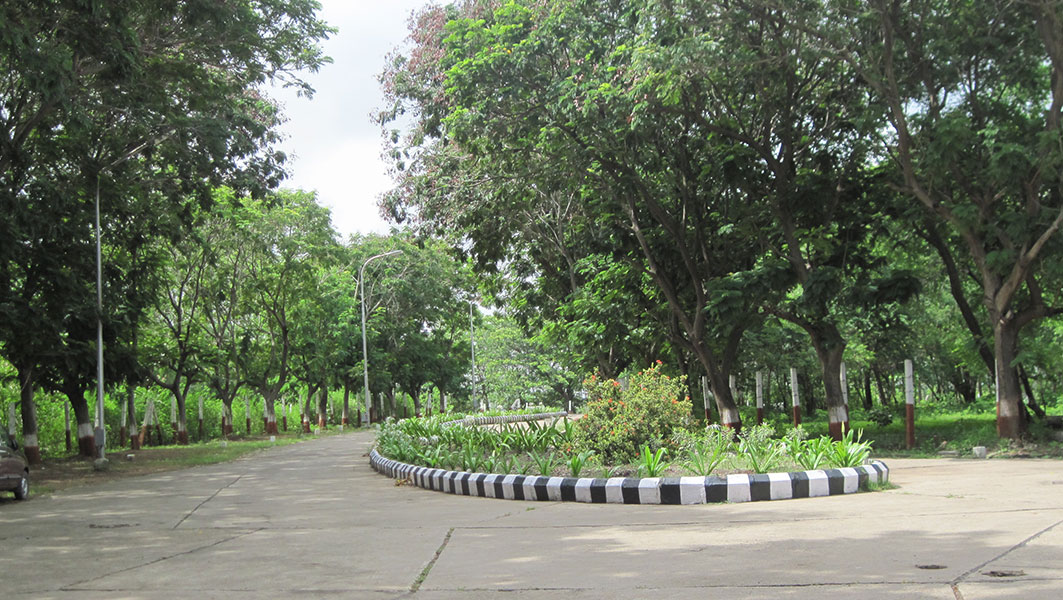
We have developed plantation and landscape gardens at our plant area, mine lease area, township and nearby villages. In Sidheegram, we planted a total of 2,07,315 trees and shrubs. In 2019-20, we plan to undertake the plantation of 8,000 shrubs and trees, including neem, gulmohar, pipal, etc. Protecting the ecological balance is an issue that everybody can become involved in. At GSCL, we believe that we have the power to bring about a positive effect, no matter how small, in maintaining the delicate balance of the Earth’s ecosystem. Therefore, we are taking small steps to bring about a big change in maintaining the ecological balance.

Ranavav:
Going Organic
Since a long time, the use of chemicals and pesticides in plants, and the continuous exploitation of water have been adversely affecting the environment. Realising the inevitable need to conserve the environment, The horticulture department of Saurashtra Cement Limited uses organic culture and organic manure to grow plants. This not only helps in securing the environment, but also helps in improving the quality and productivity of fruits. In addition to this, the Company has also pledged a campaign to plant thousands of trees every year and nurture them.
Organic Culture Preparation Method
Organic culture is a mixture made of natural ingredients, which is then added to plants to give them the essential nutrients and also boost their growth. This is how you can prepare organic culture for fruit bearing:
Ingredients
2 kg fresh neem leaves
2 kg besan
1 kg jaggery
1 kg black soil
100 ltrs water
Method
- Dissolve all the items in a 200 ltr capacity drum.
- After 11 days, add 20 ltrs cow urine and mix well.
- Leave it for 10 days for fermentation.
- After 10 days, add 100 ltr water and mix well.
- Strain the mixture and store in a separate drum for future use.
- Applying the mixture of 2 kg neem leaves and 20 ltr cow urine on the leaves of plants 1 – 1.5 months before they bear fruits improves the quality and production of fruits.
Nurturing Plants during Water Scarcity
It goes without saying that water is the most important element that plants need to naturally germinate and grow. In case of water scarcity, plant life gets adversely affected, leading to their death in extreme cases. However, there are several ways in which plants can be provided with the necessary nutrition even in cases of water scarcity.
Here are some simple steps to ensure that your plants thrive even when they get less water:
- Mix more quantity of cow dung manure or compost with sand at the time of plantation. Mix cocopeat
(fertiliser made from coconut shells) to the plants’ roots. This increases the water-holding capacity of plants and reduces their requirement of water. - Use the mulching method to conserve soil moisture. A mulch is a layer of material (such as dried
leaves, etc.) applied to the surface of the soil. You can use dry grass to form the mulch layer.
These steps are being actively carried out by the Horticulture Department of Saurashtra Cement Limited at Ranavav to conserve the environment.

Contributed by:
Shri Rajbir Singh Sharma
Horticulturist, Saurashtra
Cement Limited, Ranavav